






API Security Best Practices: Secure APIs & Fix Errors
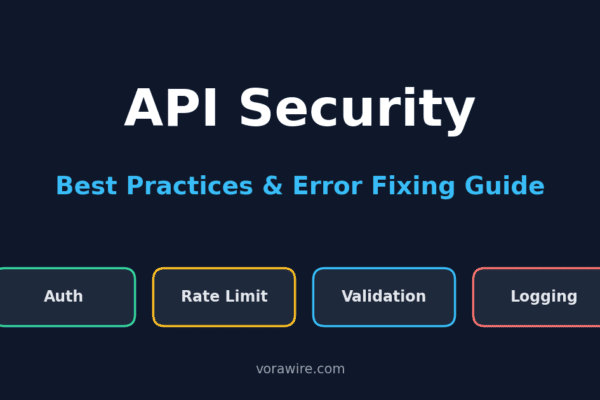
Last year I watched a small startup lose a weekend to a single unprotected endpoint. No hack movie drama, no hooded villain. Someone simply found /api/users?limit=100000, noticed there was no rate limit, and downloaded the whole user table. The fix took ten minutes. The cleanup took three weeks. That story is why API security deserves…
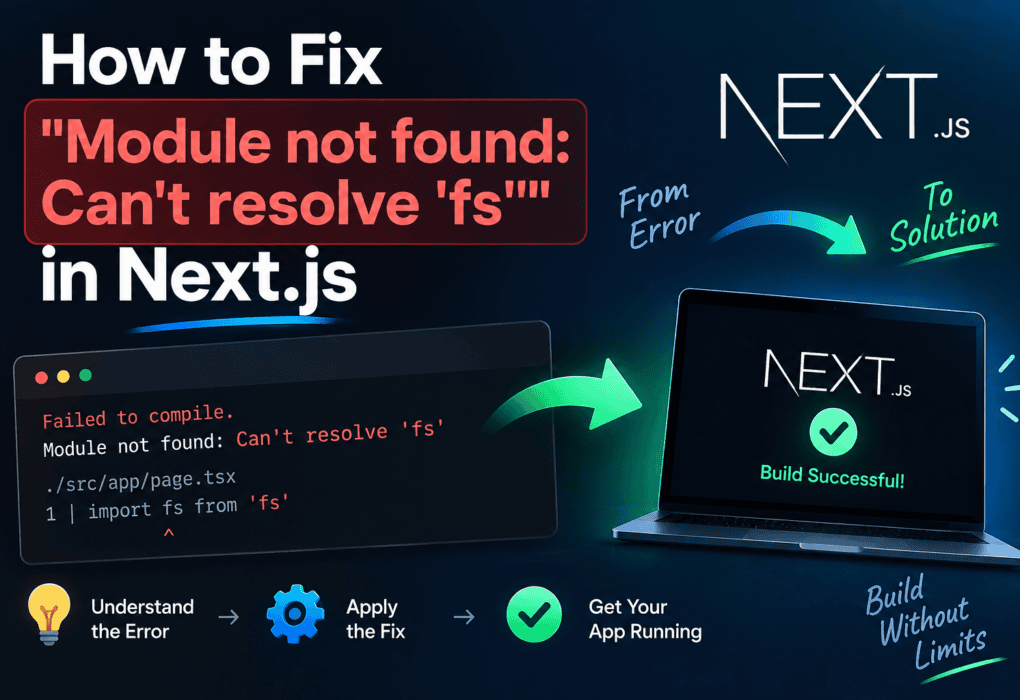
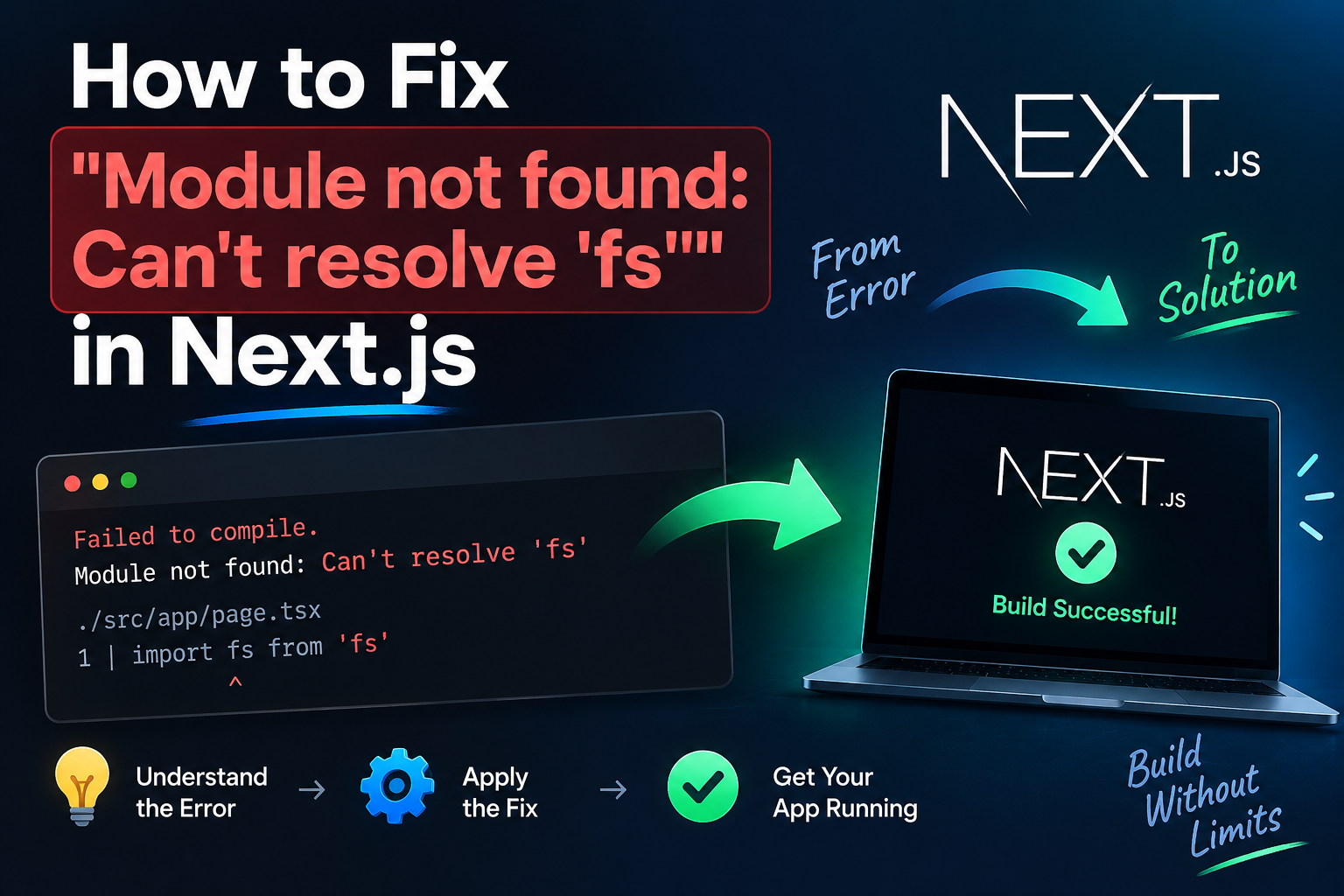
Fix Can’t resolve ‘fs’ in Next.js: 3 Easy Methods
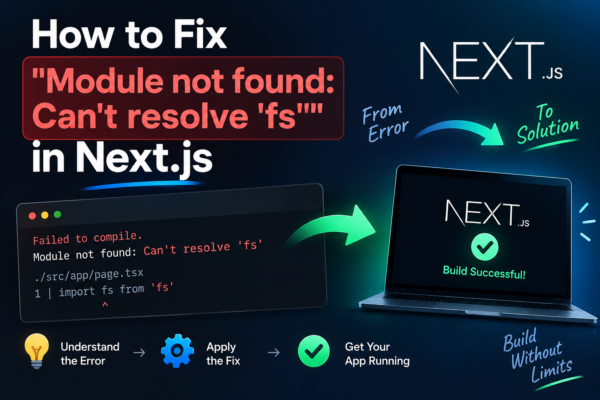
If you are building web applications and facing the error Can’t resolve fs in Next.js, this step-by-step guide will help you fix it permanently. Whether you are working with the App Router or Pages Router, encountering this Webpack compilation failure is extremely common. It usually happens right after you convert a component into a Client…

Stop Claude API 529 Errors From Breaking Your App
📌 Article Overview: Topic: Backend Infrastructure & Database Selection Prerequisites: Basic knowledge of SQL, NoSQL, and REST APIs Estimated Read Time: 6 Mins A Claude API 529 error means the model you’re calling is temporarily overloaded — and if your app talks to Anthropic’s Claude API, you’ve probably seen this cryptic status code more than…
OpenAI Assistants API Shutdown: 5 Critical Errors to Fix Before It’s Gone
I almost missed this deadline myself, so let’s not waste time on the intro. The OpenAI Assistants API shutdown is scheduled for August 26, 2026. If your app still calls /v1/assistants, /v1/threads, or /v1/runs after that date, those requests won’t slow down or throw a warning — they’ll just fail. Full stop. I found this…
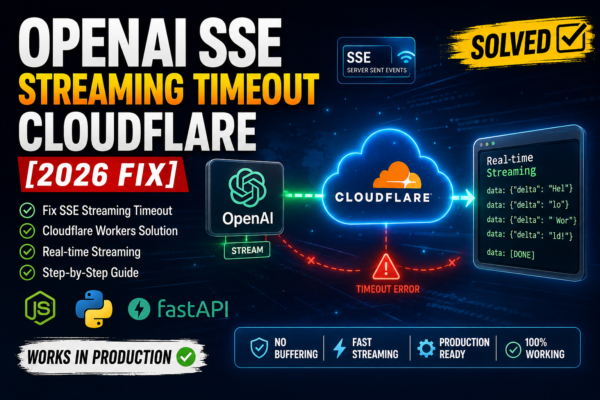
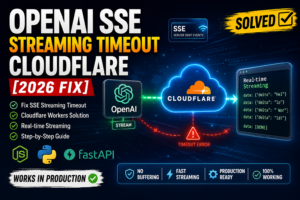
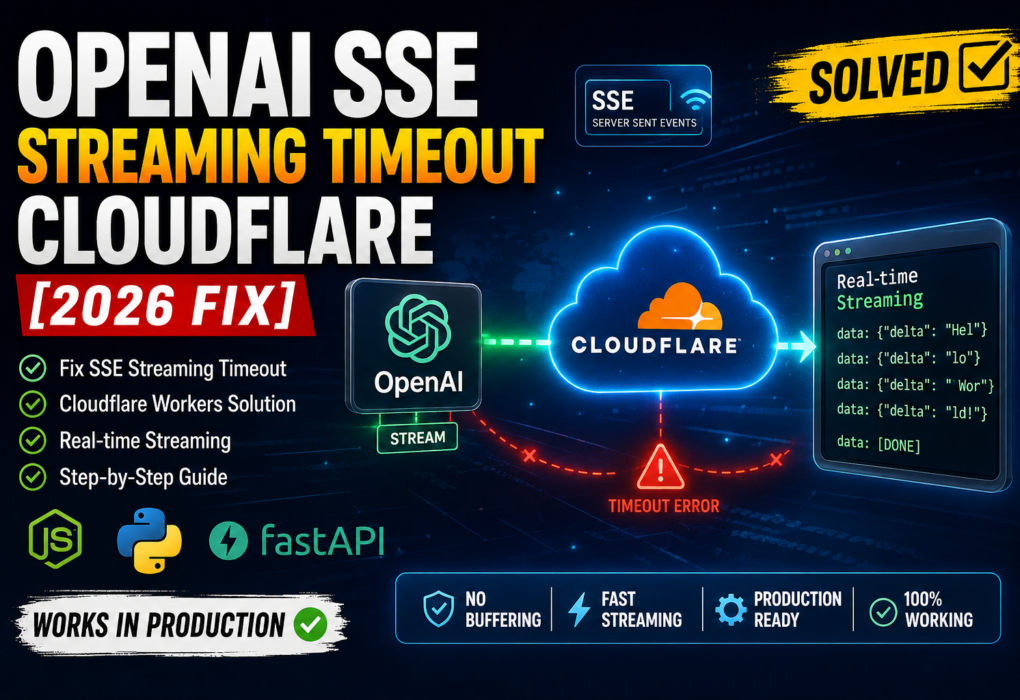
OpenAI SSE Streaming Timeout Cloudflare [2026 SOLVED]
Quick Resolution (TL;DR): If OpenAI streaming works locally but times out behind Cloudflare Workers, the problem is usually the edge request lifecycle, buffering, or an upstream connection that does not continuously deliver data. Use the OpenAI streaming API with a Web Streams response, disable unnecessary buffering, send SSE headers immediately, and make sure your application…
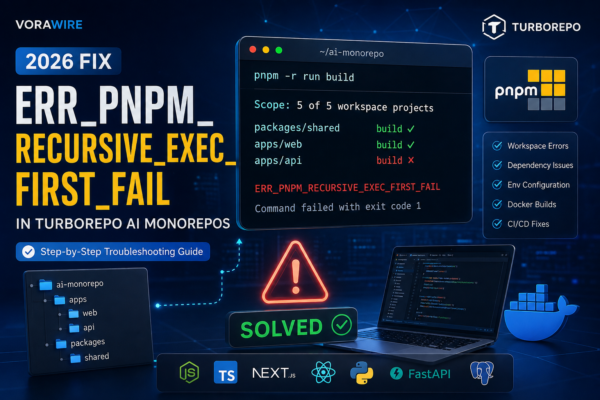
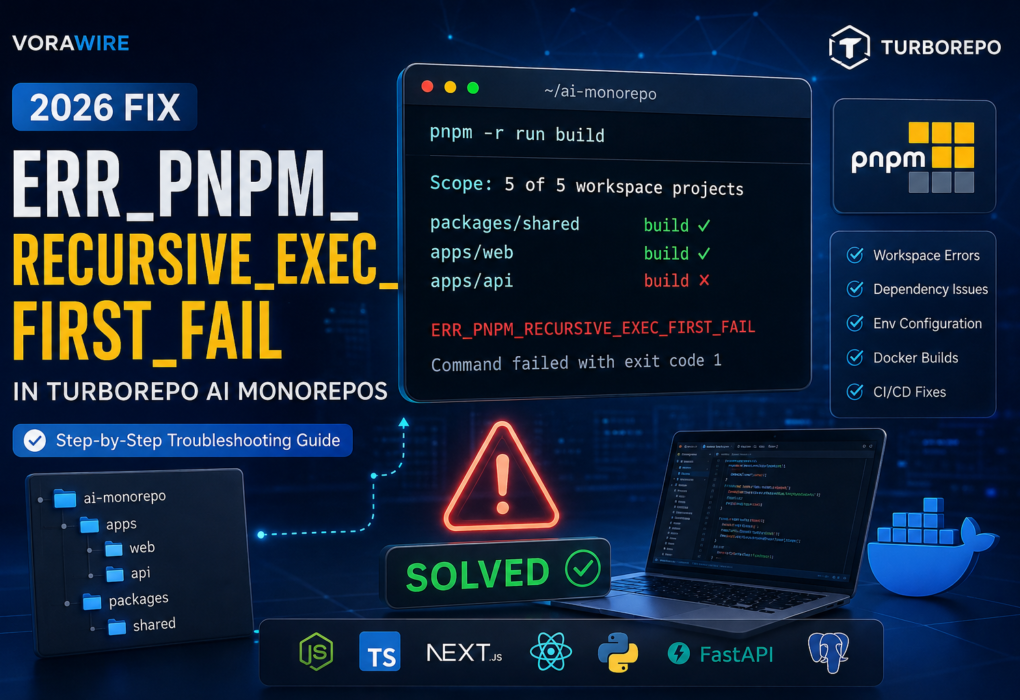
How to Fix ERR PNPM RECURSIVE EXEC FIRST FAIL in Turborepo AI Monorepos
Quick Resolution (TL;DR): If you’re seeing ERR_PNPM_RECURSIVE_EXEC_FIRST_FAIL in a Turborepo AI monorepo, the failing package is almost never the real problem. This error is pnpm’s wrapper indicating that one workspace command exited with a non-zero status. Run the failing command inside the affected package, verify workspace dependencies, clear the pnpm store if necessary, and confirm…
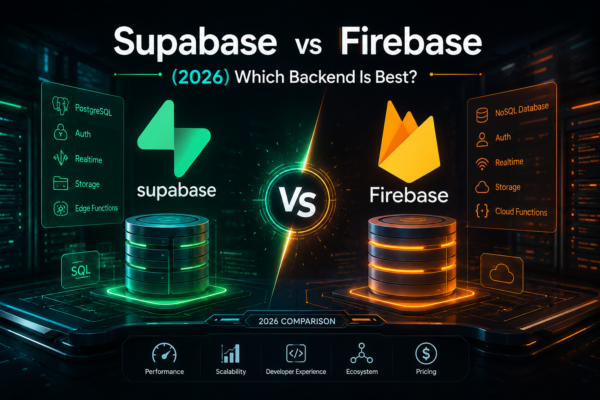
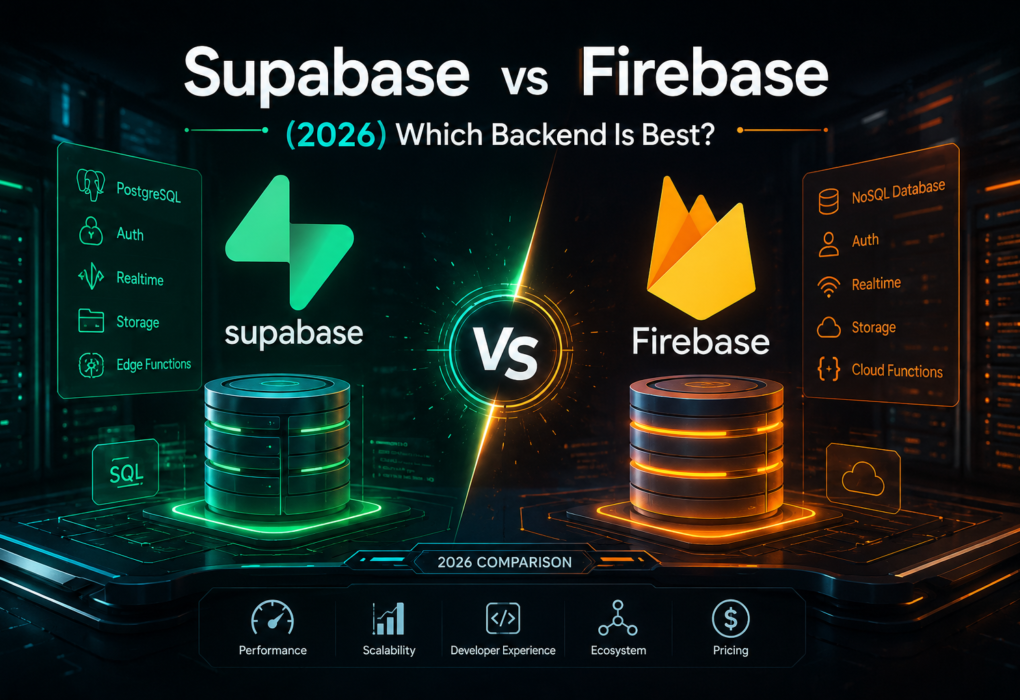
Supabase vs Firebase (2026) Performance, Costs & Real Verdict
📌 Article Overview: Topic: Backend Infrastructure & Database Selection Prerequisites: Basic knowledge of SQL, NoSQL, and REST APIs Estimated Read Time: 6 Mins ⚡ Quick Verdict (TL;DR): Choose Supabase if: You need structured SQL (PostgreSQL), full open-source data ownership (zero vendor lock-in), native AI vector support (pgvector), and predictable monthly compute costs. Choose Firebase if:…
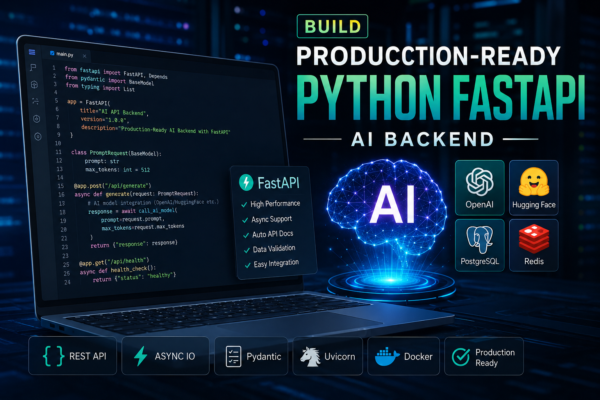
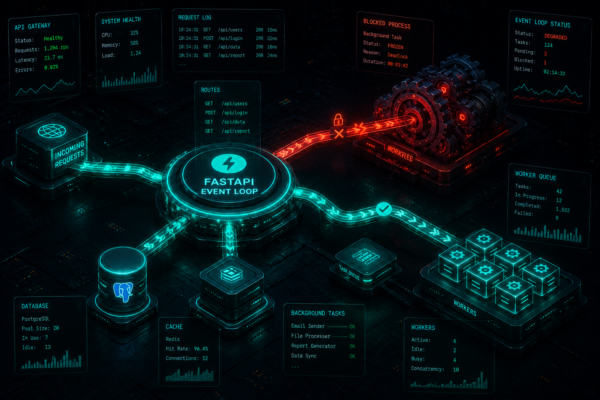
Build a Production-Ready Python FastAPI AI Backend
📌 Article Overview: Topic: Backend Infrastructure & Database Selection Prerequisites: Basic knowledge of SQL, NoSQL, and REST APIs Estimated Read Time: 6 Mins Learning how to build a python fastapi ai backend is essential when modern software development shifts towards intelligent automation… As modern software development shifts towards intelligent automation, building a scalable backend capable…

How to Build & Deploy an AI-Powered Web App Fast
Are you ready to deploy AI web app projects but don’t know where to start? Building and hosting a functional application can seem daunting, but with the right tools, it is incredibly fast. Want to build a functional web app without manually writing every line of HTML/CSS? In this 2026 guide, we will use advanced…
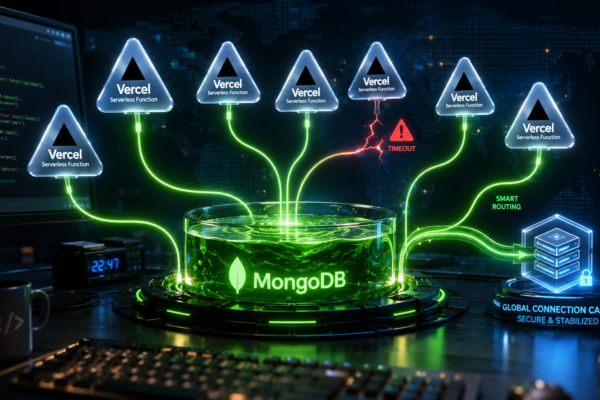
Mongoose Connection Pooling Vercel Serverless Timeouts Fix
When configuring a Mongoose connection pooling Vercel serverless architecture, developers frequently hit a major database roadblock: sudden connection timeouts or performance drops. If you have previously dealt with issues like the Mongoose buffering timeout error, you know how frustrating database connection drops can be in a production environment. However, in a serverless environment like Vercel,…